
Get Paid to Move: 13 U.S. Cities With Relocation Incentives
Oct 9, 2026

Thinking about a fresh start? A growing list of American towns and cities will hand you cash, land or homebuying help to become a resident. Here are 13 programs worth a look in late 2026, grouped by what kind of mover they suit best.
Why towns pay people to move in
Smaller and mid-sized cities are competing for new residents. Every household that arrives brings spending, tax revenue and, often, a paycheck earned somewhere else. Remote work made that last part far easier, so local governments, chambers of commerce and nonprofits started building incentive packages to get noticed.
The offers generally come in three flavors:
- Cash for remote workers. A one-time or split payment, usually $5,000 to $12,000, plus perks like coworking memberships and event tickets.
- Programs open to local jobs. A few places will pay you even if you take an on-site job in town.
- Land and homebuilding deals. Near-free lots or large down payment grants for people ready to build or buy.
Most come with conditions: an income floor, a deadline to relocate, and a minimum stay of one or two years. Leave early and you may owe some of the money back.
Cash offers for remote workers
If your job already travels with you, these seven programs pay the most for the least paperwork.
Tulsa, Oklahoma: $10,000

Tulsa Remote is the program that started the trend, and it is still the biggest. Since 2018 it has brought more than 4,000 remote workers to the city, and it plans to add about 550 more this year. Approved movers get $10,000, paid in monthly installments if they rent, or as a lump sum or monthly payments if they buy a qualifying home.
The money is only part of the draw. Participants join a large, organized remote-worker community with its own staff and monthly events, and everyone attends an orientation.
Who qualifies: full-time remote employees of an out-of-state company (or self-employed people based outside Oklahoma) who live outside the state when they apply and can move within 12 months.
Charleston, West Virginia: $12,000 through Ascend WV

Ascend WV is a statewide program funded by a $25 million gift to West Virginia University, and Charleston became one of its host communities in 2026. Others include Morgantown, the Eastern Panhandle, the Greenbrier Valley, Greater Elkins and the New River Gorge.
The package is valued at over $20,000. It includes $12,000 in cash ($10,000 in year one, $2,000 more if you stay a second year), over $1,200 in free outdoor gear rentals, a coworking membership and small-business support from WVU. Nearly 1,000 people have moved through the program, and 96% have stayed.
Charleston itself is the state capital, built where the Elk and Kanawha rivers meet, with a walkable downtown and Kanawha State Forest nearby.
Who qualifies: remote workers or owners of out-of-state companies who currently live outside West Virginia.
Texarkana, Texas and Arkansas: package worth $18,900+
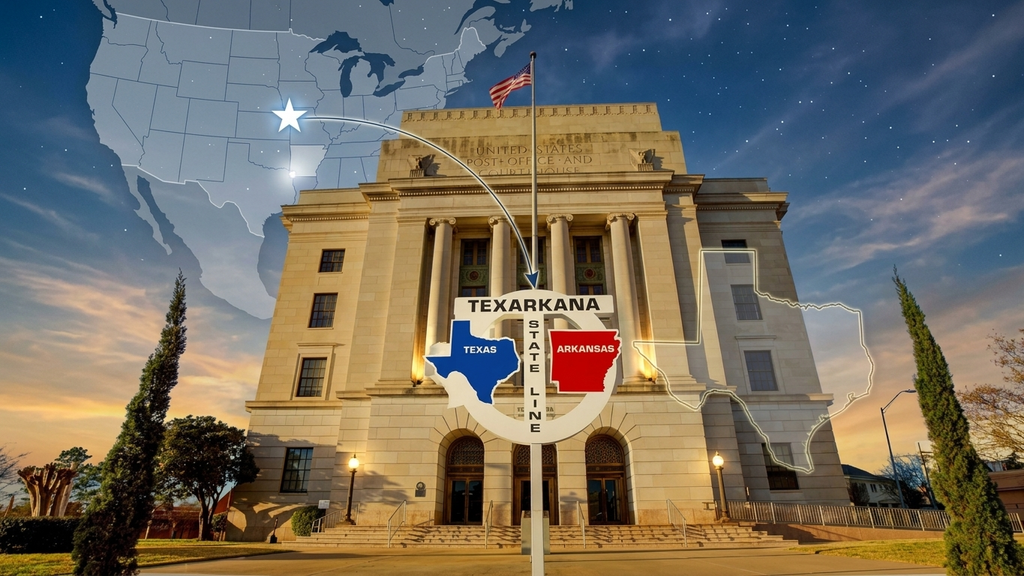
Texarkana sits right on the Texas–Arkansas line, a short drive from Louisiana, which is where its three-part name comes from. Its “REDI…set…move!” campaign, launched in 2024, pays $5,000 in cash and adds a long list of extras:
- 25% off tuition plus one free class at Texas A&M University-Texarkana, for you or a dependent
- A year at The Assembly Line coworking space
- Symphony tickets and an arts council membership
- Preferred membership in Leadership Texarkana
Who qualifies: full-time remote or self-employed workers earning $60,000+ who move from outside Arkansas (or from 75+ miles away if already in Texas), settle in Bowie County, TX or Miller County, AR, and arrive within six months of approval.
Hutchinson, Kansas: up to $10,000
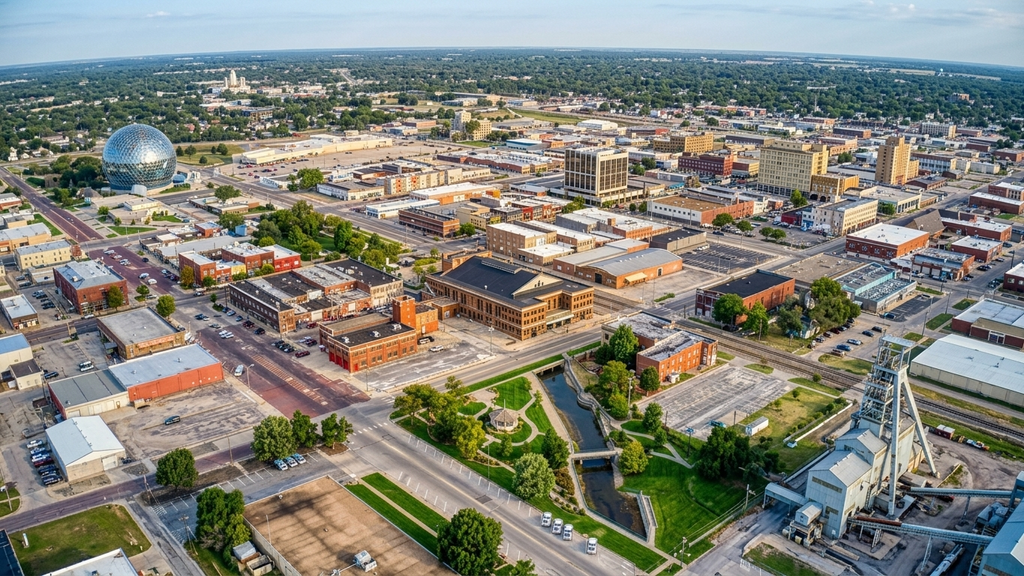
“Hutch” is about an hour from Wichita and among the most affordable places on this list. Remote workers can receive a $5,000 relocation bonus plus up to $5,000 toward buying a home. A starter pack adds three months of fiber internet, a Chamber membership and free community memberships.
Who qualifies: households earning at least $55,000 that live outside Kansas and will stay in Reno County for two years or more. Applications run through MakeMyMove.
Paducah, Kentucky: $5,000 plus a tax break
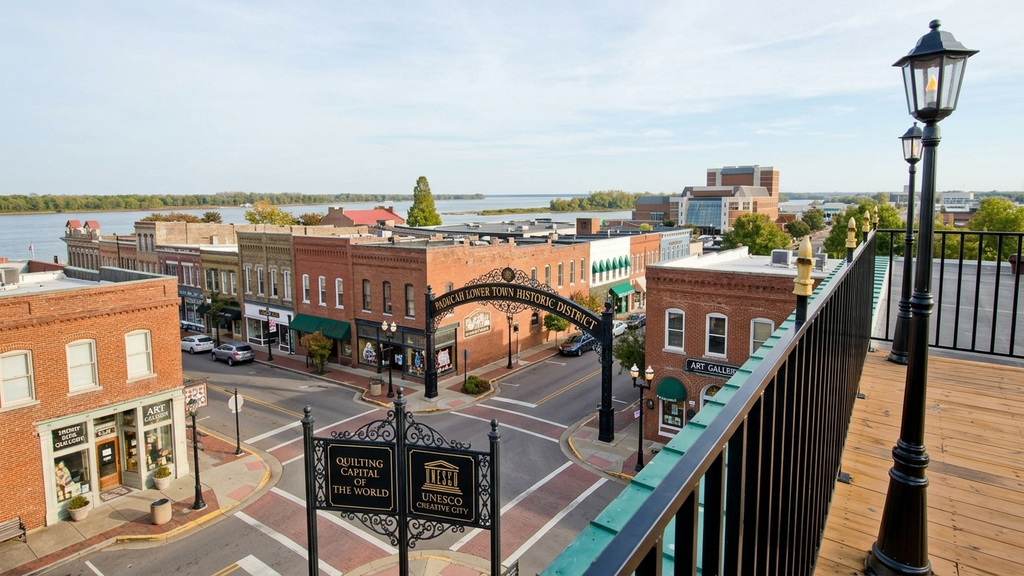
This Ohio River town is a UNESCO Creative City for crafts and folk art. Its offer splits $5,000 into two payments ($2,500 on arrival, $2,500 after a year) and adds a one-year waiver of the city’s 2% payroll tax, up to $70 a month toward internet for a year, and free passes to the symphony, art school and river museum.
Who qualifies: full-time remote workers moving from 100+ miles away who can establish residency within three months and stay at least two years.
Muncie, Indiana: $5,000
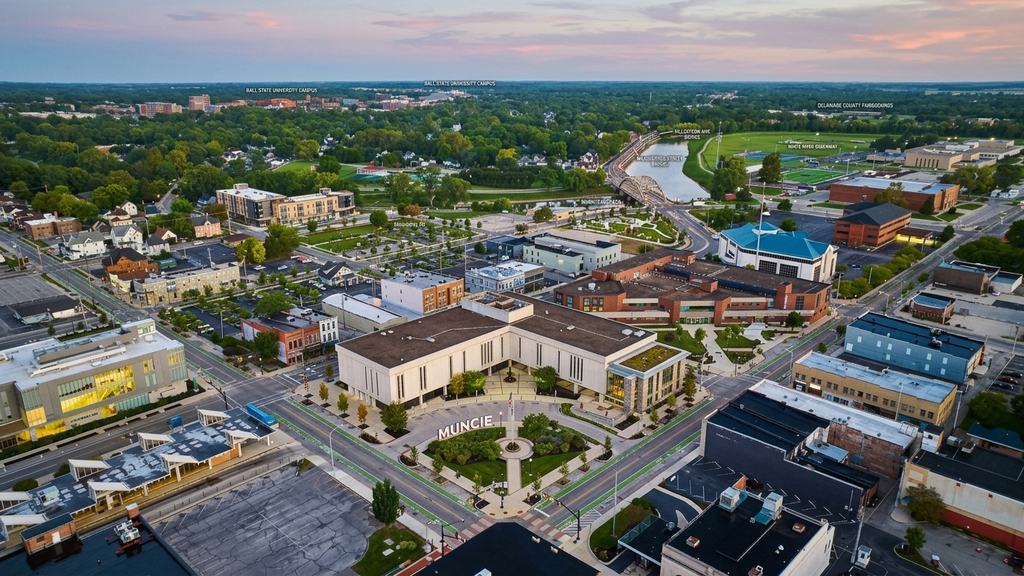
Home to Ball State University and about an hour from Indianapolis, Muncie pairs $5,000 in cash with perks such as university library access and six months at the YMCA.
Who qualifies: people earning $50,000+ who live outside Indiana, can keep their current job or clients after moving, and can relocate within six months.
Columbus, Georgia: package worth $8,700+
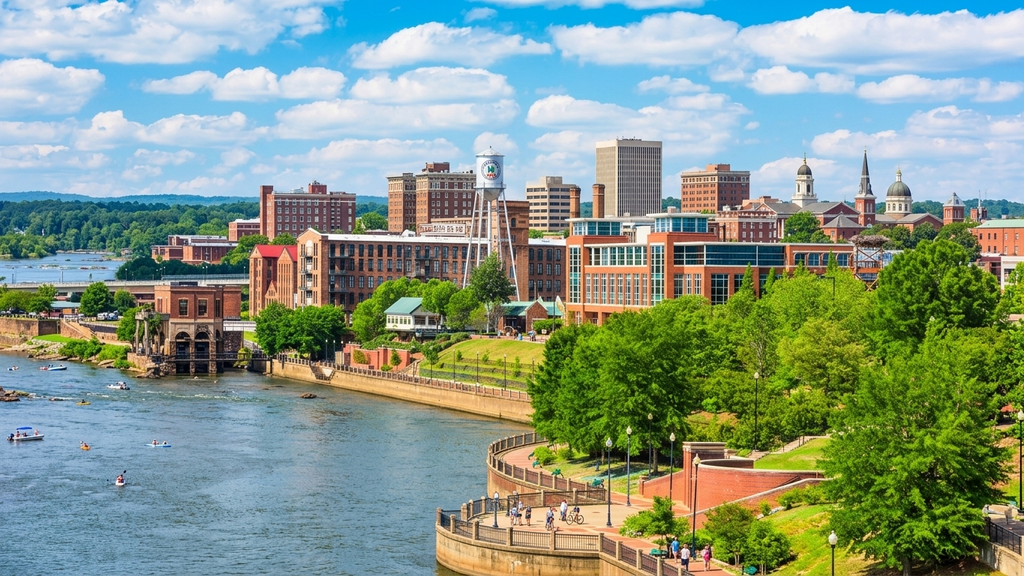
Georgia’s second-largest city drew more than 7,000 applicants in the first year of its remote worker program. Winners get $5,000 in two installments, about $3,200 in community perks including coworking, and tickets to minor league baseball, the Springer Opera House and the RiverCenter.
Who qualifies: full-time remote workers earning $75,000+ who live at least 75 miles away, can move to Muscogee County within six months and stay a year.
Offers that work with a local job
No remote job? These three programs will still pay you, as long as you work for a participating employer or take a job in town.
Topeka, Kansas: up to $15,000
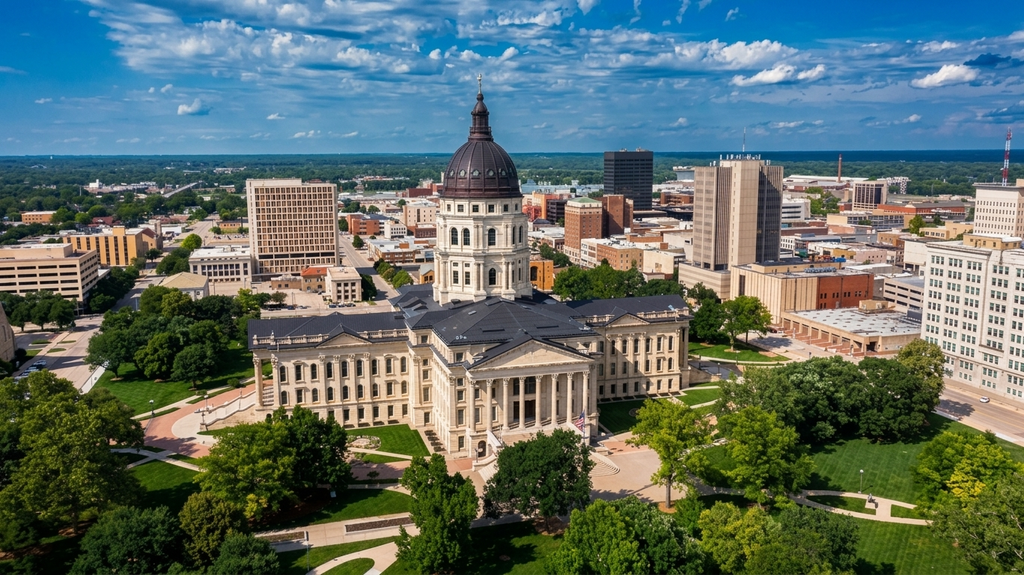
The Kansas capital sits in the Flint Hills about an hour west of Kansas City. It is where the Brown v. Board of Education case began, and it has a walkable arts district and below-average living costs.
Choose Topeka, running since 2019, is backed by economic development funds and about 60 local employers. Payments are grants you keep if you meet the rules:
- On-site workers at a participating employer: up to $10,000 for a one-year lease, or up to $15,000 to buy.
- Remote workers for an outside company: up to $5,000 to rent or $10,000 to buy, scaled by salary.
Who qualifies: anyone eligible to work in the U.S. who rents or buys a primary home in Shawnee County within 12 months of moving. Remote workers apply three months after arriving.
Macon, Georgia: package worth about $7,000
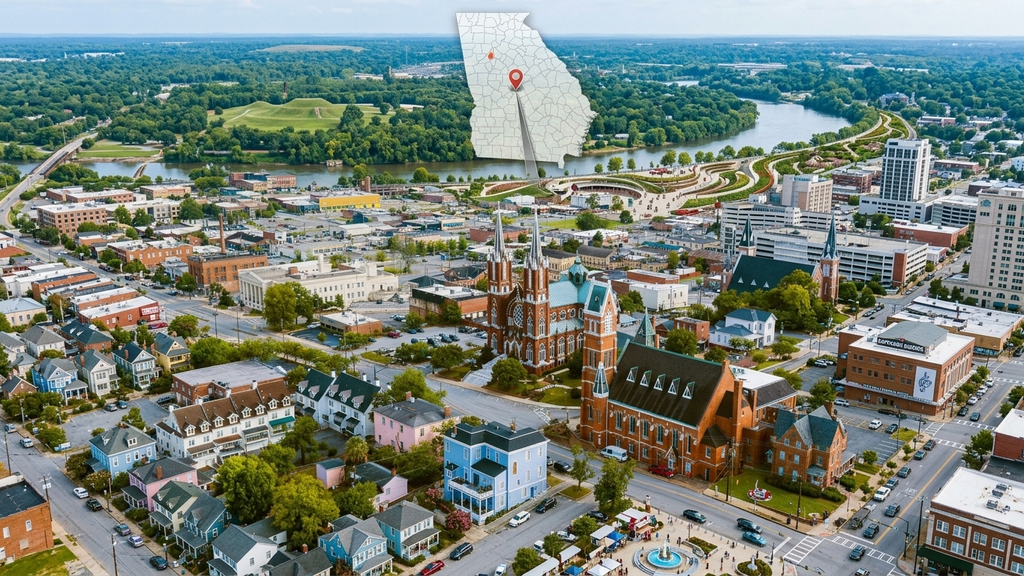
About 85 miles south of Atlanta, Macon is the hometown of Little Richard and the Allman Brothers Band. The Greater Macon Chamber launched Choose Macon in 2025 for both remote and in-person workers.
Everyone gets a $2,500 stipend, concierge help finding housing, mover meetups and local perks like parking passes and gift cards. Remote workers add coworking and an internet upgrade. Local hires get introductions to business leaders, 50% off security deposits at some rentals and 10% off certain moving services.
Who qualifies: full-time workers (remote, hybrid or on-site) with household income of $65,000+ who are moving from outside Macon-Bibb and its six neighboring counties. Spots are limited, so apply early.
Baltimore, Maryland: $2,000 to $19,500
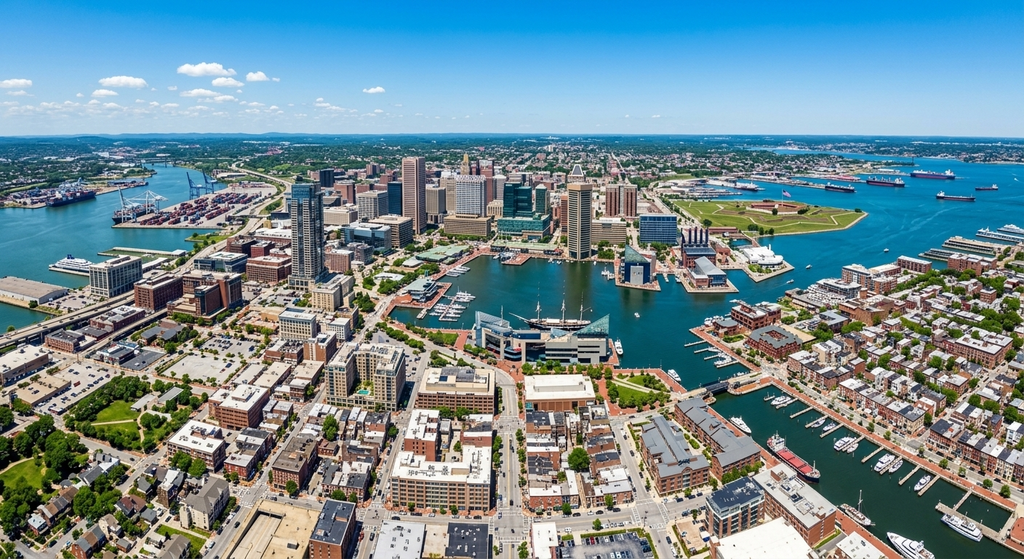
Baltimore’s Live Near Your Work program pairs the city with more than 100 employers to help staff buy homes in town. The employer sets its own contribution, and the city adds a matching grant of $1,000 to $2,500. If your employer participates, ask HR how to apply.
Baltimore is also one of the East Coast’s more affordable big cities, with a strong food scene, museums and waterfront neighborhoods.
Land and homebuilding deals
These three are for people who want to own, and in two cases build, a home of their own.
Elwood, Nebraska: a nearly free lot plus $25,000
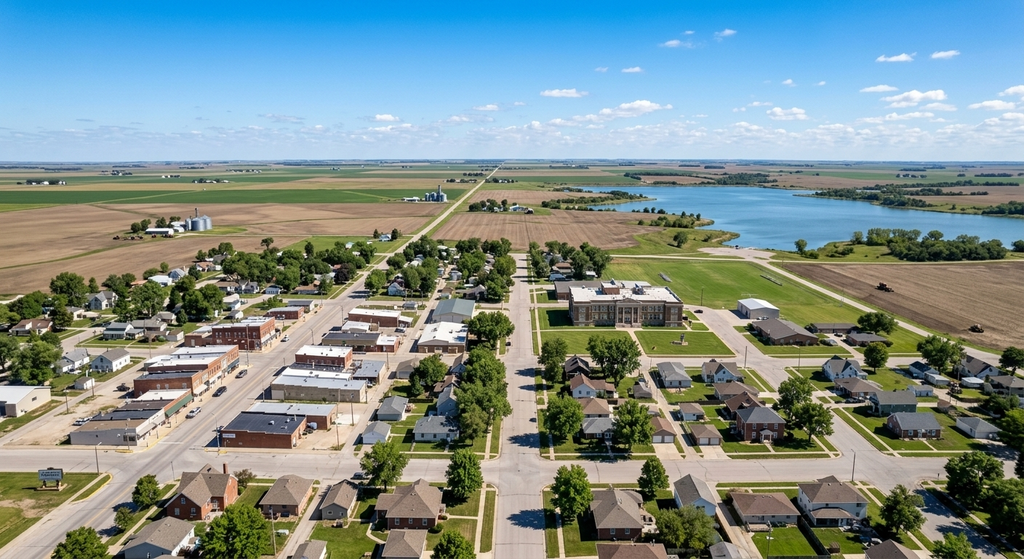
This small village in south-central Nebraska gives away building lots, each 110 by 115 feet, in its Wheatfield Addition near the schools, parks and town pool. You pay a $50 permit fee and a $500 deposit, which comes back once the house is done. Finish your primary residence within two years and the village adds $25,000 in down payment help.
It suits people who want a tight-knit community; the local high school reports a 100% graduation rate.
Ontario, Oregon: $10,000 to build
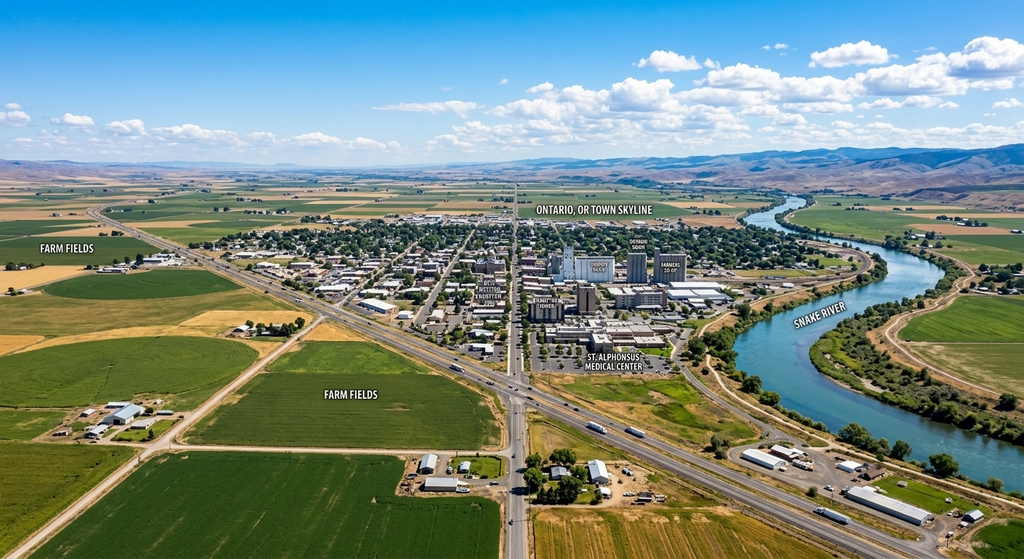
Despite the name, this Ontario sits on the Oregon–Idaho border along the Snake River, a farming and commercial hub with tubing and kayaking in warm months. The city pays $10,000 toward a new home of at least 1,600 square feet, or 1,350 square feet if it has two bathrooms and a two-car garage. Individuals can apply and hire their own builder.
Jackson, Michigan: up to $25,000 or more toward a new home
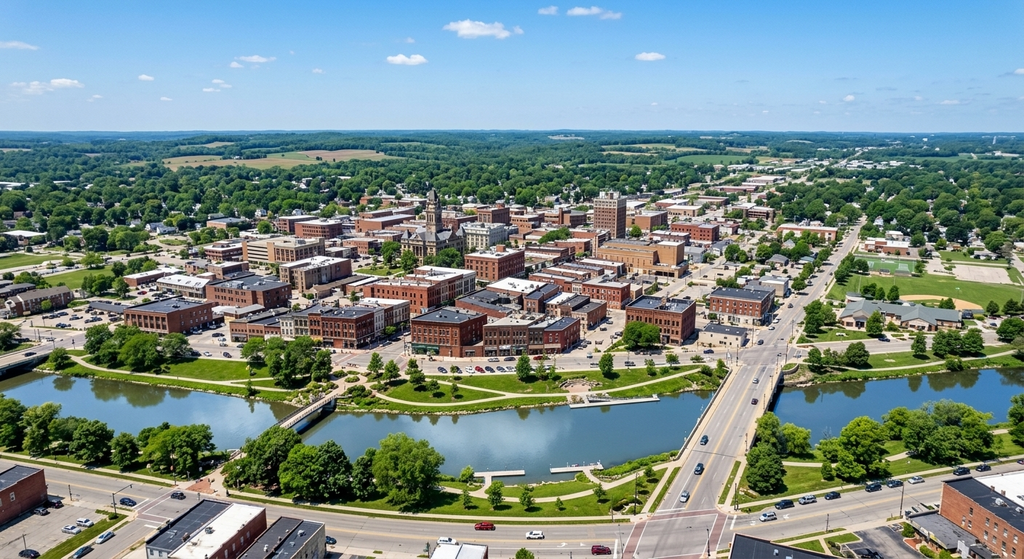
Jackson’s 100 Homes Program is building new houses on 100 empty lots in a city known for its parks, lakes and the lit-up Cascades waterfall. Buyers can get $25,000 in down payment assistance, and some can stack another $10,000 from the state housing agency. A limited extra $30,000 is available in the Martin Luther King Jr. Corridor.
Who qualifies: owner-occupants earning no more than 120% of the area median income. Newcomers and current residents are both welcome, and homes have a price cap. Available lots are listed at cityofjackson.org.
All 13 programs at a glance
| City | Top incentive | Best for | Minimum income | How long you must stay |
|---|---|---|---|---|
| Topeka, KS | Up to $15,000 grant | On-site or remote workers | None listed | Rent or buy within 12 months |
| Charleston, WV | $12,000 cash + perks | Remote workers | None listed | 2 years for full payout |
| Tulsa, OK | $10,000 | Remote workers | None listed | Paid over time |
| Hutchinson, KS | Up to $10,000 | Remote workers | $55,000 household | 2 years |
| Ontario, OR | $10,000 | Home builders | None listed | Build a qualifying home |
| Jackson, MI | $25,000+ down payment help | Buyers | Max 120% of area median | Owner-occupied |
| Elwood, NE | Free lot + $25,000 | Home builders | None listed | Build within 2 years |
| Baltimore, MD | $2,000–$19,500 | Employees of partner firms | None listed | Varies by employer |
| Texarkana, TX/AR | $5,000 + $13,900 in perks | Remote workers | $60,000 | Move within 6 months |
| Columbus, GA | $5,000 + $3,700 in perks | Remote workers | $75,000 | 1 year |
| Paducah, KY | $5,000 + payroll tax waiver | Remote workers | None listed | 2 years |
| Muncie, IN | $5,000 | Remote or self-employed | $50,000 | Move within 6 months |
| Macon, GA | $2,500 + about $4,500 in perks | Remote or local workers | $65,000 household | Limited spots |
Program terms change often. Confirm the details with each official program before you commit.
Before you apply
A relocation bonus is a nice cushion, but it should not be the only reason you move. A few habits will save you headaches:
- Go to the source. Every program here is run by a city, a county development group or an established nonprofit. Apply only through the official site, and walk away from any third party that charges an application fee.
- Read the fine print twice. Income floors, relocation deadlines and repayment clauses trip people up most. Know what you would owe if you left early.
- Do the moving math. A long-distance move often costs a few thousand dollars once you add movers or a truck and temporary housing. Moving between late fall and early spring, and booking early, can help.
- Visit first if you can. Spend a weekend walking neighborhoods and eating locally. If possible, come back in a different season.
- Shop from afar carefully. Use a local agent or property manager, lean on virtual tours, and try to be there (or on video) for a home inspection.
- Plan for your social life. Moving is lonely at first. Programs like Tulsa Remote and Ascend WV build in community events; otherwise, try rec leagues, volunteering or clubs.
Which one fits you?
Remote workers who want the biggest community should start with Tulsa or Ascend WV. Bargain hunters drawn to small-town life will like Hutchinson or Elwood. If you work on-site, Topeka and Macon are the rare programs that will still pay you. Pick two or three, check your eligibility, and picture an ordinary Tuesday in each before you decide.
Program details were current as of October 2026 and can change at any time.
